PRS Employee Spotlight - Nick Fraser // PRS Europe Technical Manager
18 Jun 2026
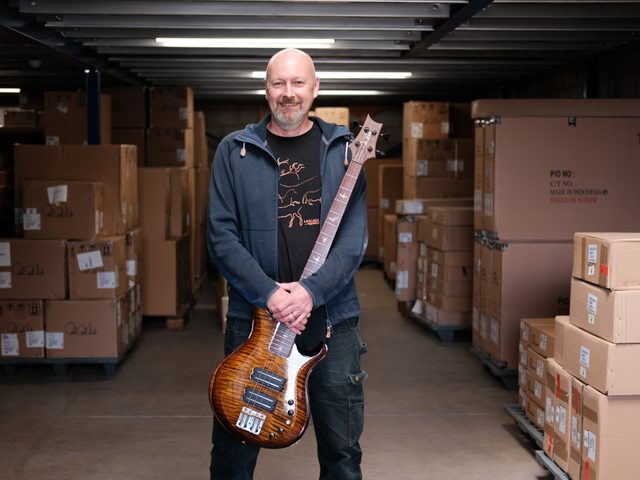
MEET NICK
Having worked in the guitar industry since 1987, Nick is a bit of a veteran in the guitar repair space--and a real asset to us as the Technical Manager for our PTC team in Europe! Get to know Nick in this Q&A and learn more about what skills you might want to hone if you're looking to get into guitar tech work.
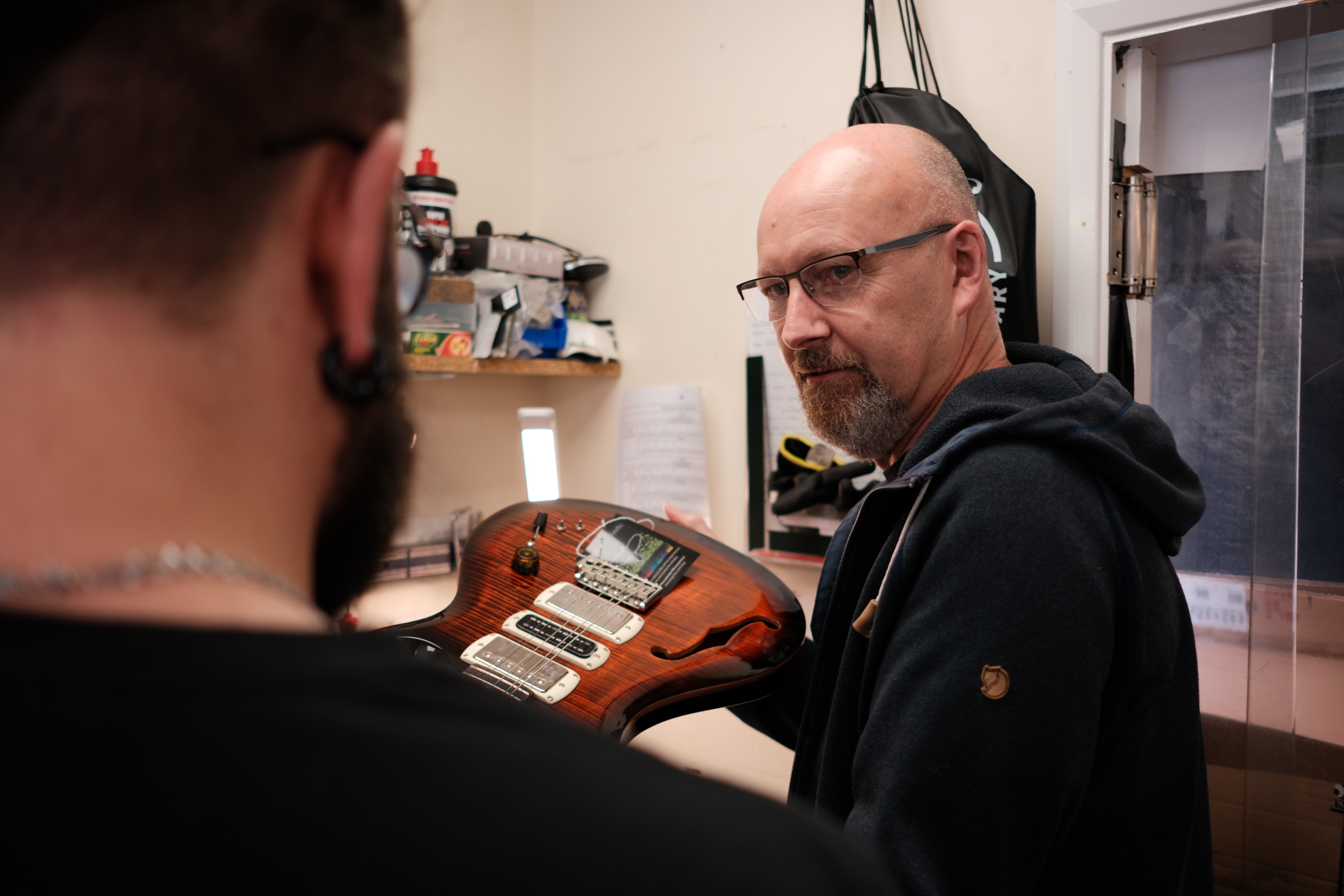
What does a typical day look like for you, and how has that changed as you’ve gone from guitar tech to leading the team?
Nick: Once I’ve said hello to our awesome tech team, I grab a coffee and head to the office. I check my email to see if anything urgent has come in overnight from the Mothership or from our partners in the far east and discuss any pressing issues with Jacob who runs EU Customer Service. The emails and Customer Service enquiries will likely determine some of my day - making sure that we have all the parts that we need in the UK and in Rotterdam and getting service parts shipped to dealers and customers all over Europe. I handle most of the technical enquiries regarding set up, electronics, and details of the repair processes and often have to call on my knowledge of obscure old models and their component parts.
Over the course of the day I will see the techs as they work through our inventory. The QC/set up procedure shows up any problems which I report back to Maryland and within a day the team at Cortek can be investigating it and taking action if necessary. The whole company, including our manufacturing partners, is well connected globally so we can react quickly to problems before they get to market.
We have another tech team at our facility in Rotterdam. All the techs have a WhatsApp group, kind of a hive mind for sharing tips and tricks and for alerting each other to potential problems. While both teams are generally self-sufficient, I make the call from time to time over whether a guitar meets our standards. I also advise on some of the tricky repairs if the guys are unsure of the best procedure.
I try to get over to Rotterdam as often as possible to continue training, share useful product knowledge, help with repairs and to make sure that our standards are aligned. It’s very important to us that the quality of our guitars is globally consistent. Sadly I spend less time “at the coal face” these days so I enjoy it when I actually get a guitar on the bench. This only happens in the UK when Chris (our PTC legend) is snowed under or if someone just needs a fresh set of eyes and/or ears on something. There are also a couple of Artists I still do occasional work for because I’ve known them for ages and know how they like their guitars.
I guess that’s the most obvious change for me from my earlier days as a tech - the job has become less hands on and more instructional. It has been a logical progression in terms of serving the company’s needs as it grows and requires a wider perspective that tends to come with experience. It also shifts your focus to the future more without neglecting the present.
Can you tell us a bit about your journey, how you first got into guitar tech work and how you came to be involved with PRS?
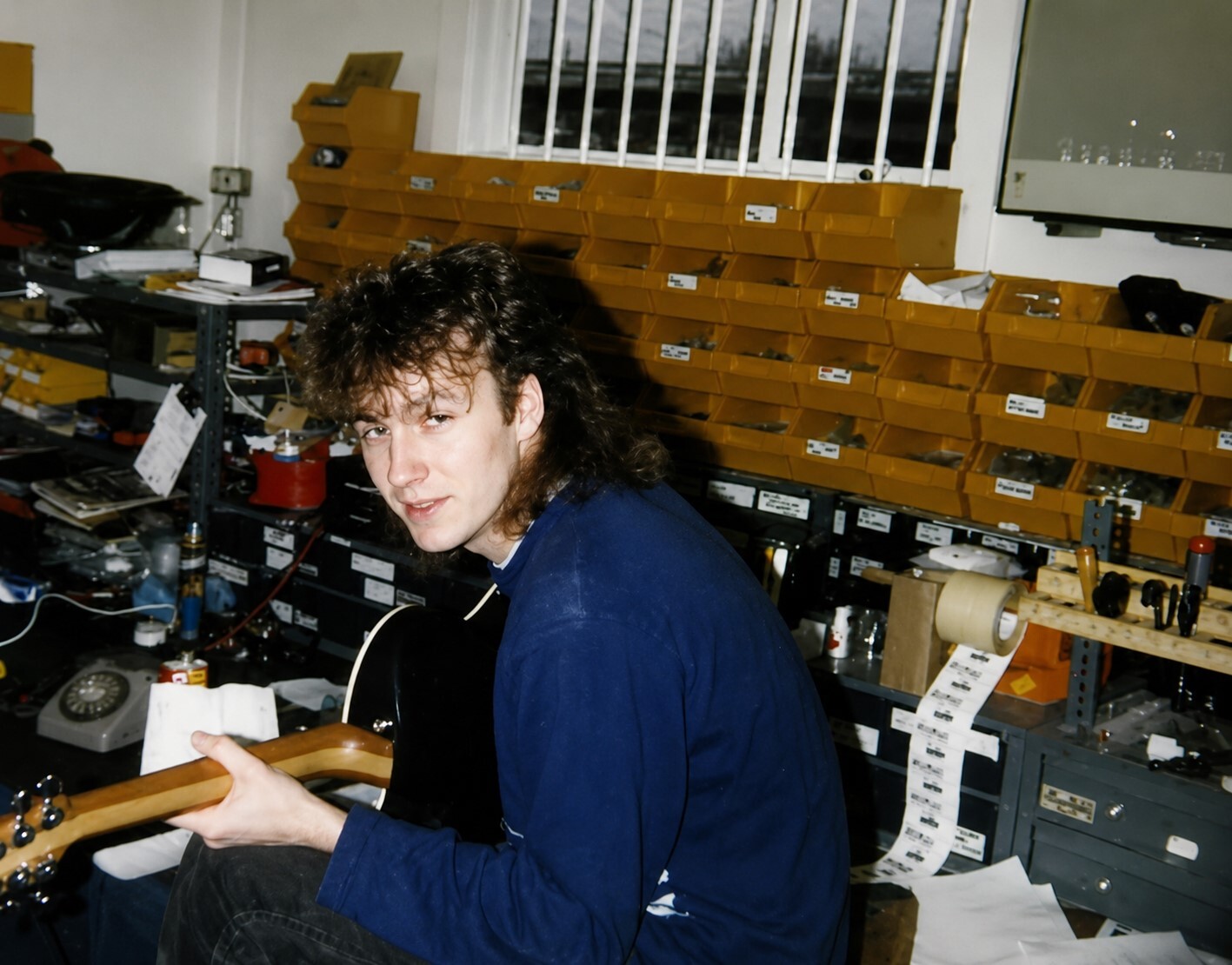
Nick: I was into music from an early age and, growing up in the 70’s, the guitar was central to that. I was drawn to the bass and pretty soon found myself taking mine apart to see what made it tick. Then I started modding them, doing some work on friends’ instruments and I landed a brief work experience gig at Andy’s on Denmark street.
After 2 years of falling to “make it” in a band I got a job at FCN Distribution, working on Ibanez (Jem era), Westone and Columbus guitars and with Tama drums. Around 1988 I started working for the UK distributor of Washburn and that’s when I really began to learn a lot. When you set up 25 guitars a day, every day for a year, all of a sudden you’ve done about 5,000 and you can’t help getting a feel for it under those circumstances! That set me up for training new techs as Washburn UK grew and we took on Taylor distribution and Levinson Blade guitars, Kurzweil keyboards, Ampeg and Crate amplifiers and finally, PRS in the mid/late nineties.
Around 2000, as PRS sales grew, the company morphed and focused solely on PRS and Ampeg with a much smaller team including me as the only tech. The SE line came along and PRS’ presence in the UK just got bigger and bigger. Eventually we dropped Ampeg and took on European distribution by which time we had 3 or 4 techs. About 13 years ago we finally became a part of PRS which was an easy transition as we were all family by then! Fast forward to now - we have 9 techs in two countries looking after PRS all over Europe.
What is the most important tool in your line of work, and is there one you couldn’t do without?
Nick: It's impossible to narrow it down to one but a good set of nut files is essential.
You’ve worked on a lot of artist guitars over the years, is there one guitar, repair, or build that has stuck with you as particularly memorable?
Nick: I remember Tony McManus calling us up one day in a bit of a panic. One of his tuners had broken and Paul had advised him to do a delicate super glue repair. Now Tony is an incredible guitarist but not such a great tech! The glue had gone all over the tuner gears and stuck it to the headstock and he had a gig that night nearby. He dropped it off and I said I would bring it over to the venue for him. It was a simple enough repair, we met up and I stayed for the gig. He gave me a shout out after one of the tunes and, much to my wife’s amusement, a woman grabbed me at the end to thank me for “saving the show!" I’m pretty sure the show would have been just fine without me but whatever…
What is the most challenging repair or job you’ve taken on, and how did you approach it?
Nick: That would probably be retro fitting a piezo system into a Custom 24 for Jakko from King Crimson. It’s something we don’t usually offer and for good reason! It requires some very creative routing and precise positioning of the PBC which attaches to the socket plate through a large hole in the edge of the guitar. I did a lot of careful measuring and played the process over in my head, trying to think of anything that could make it go better (or worse!). Then it was just a question of making some jigs and being very focused.
For anyone looking to get into guitar tech work, what advice would you give them?
Nick: If you want to strike out on your own, you will need to nail the fundamentals of a basic set up. You will need a solid understanding of neck relief, correct nut cutting, tremolo operation, intonation, setting the action and setting pickup heights. Then understand the interplay between them all. Next become proficient at soldering and learn about simple guitar circuits and pickups. Finally learn to fret level and get good at it. This combination will cover probably 90% of the jobs that come your way so you can get started with confidence. You can learn the other 20% over time.
There are a few paths for learning the skills - teach yourself, pay someone to teach you or find a job where you get taught! For the first path there is a wealth of information online to help with this but of course, you have to put it into practice. For the second path there are some good courses available but again, put it into practice. For the third, sometimes opportunities arise for employment with training, or you could contact some distributors or manufacturers to see if they have any openings. If you have a basic knowledge and a good attitude it might just work out, it did for me!
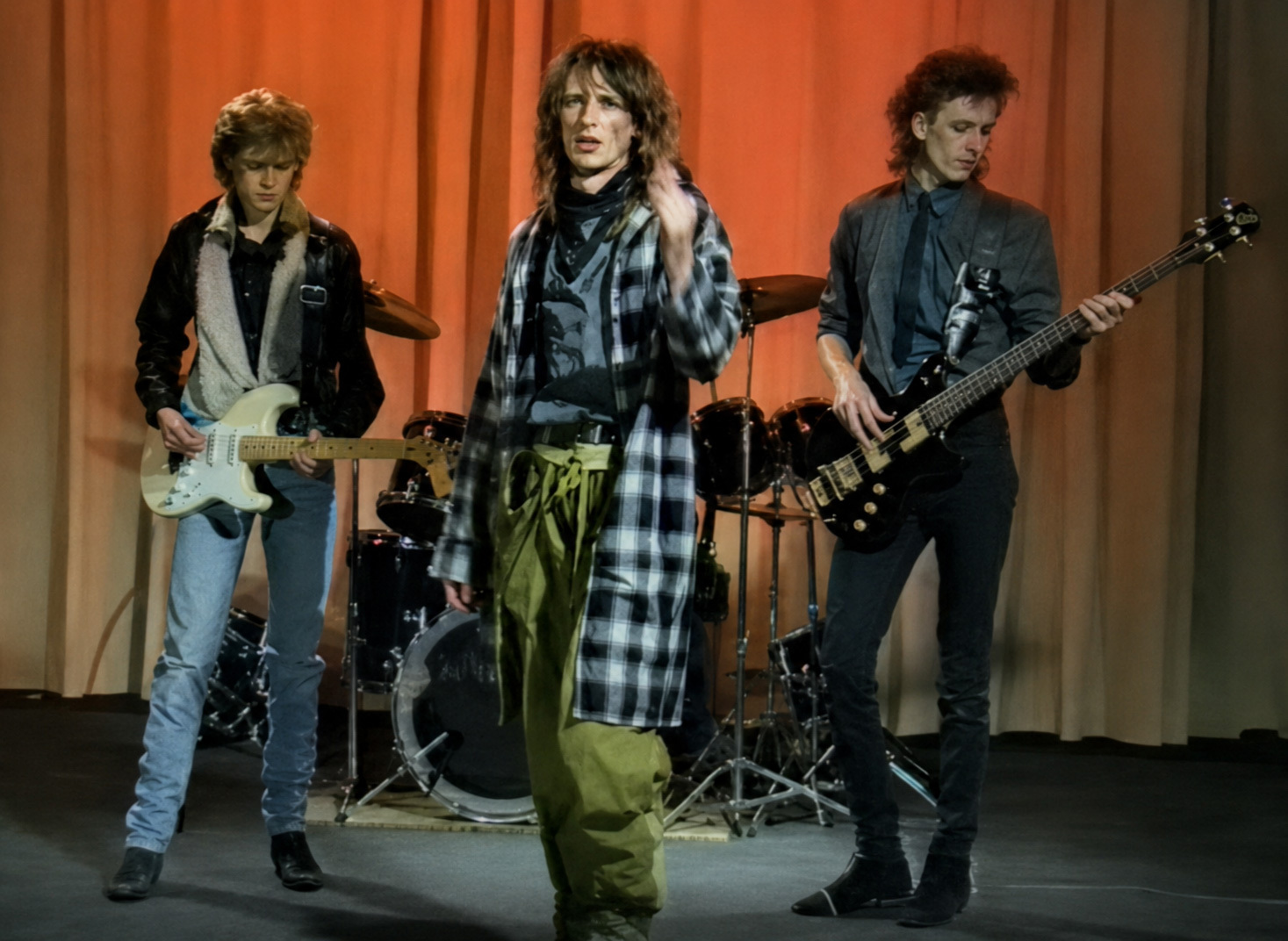
What are some of your favorite hobbies outside of work?
Nick: Probably my main hobby is Hi-fi. I have spent a long time putting together a lovely system with a mix of vintage items and newer tech that sounds like the artist is in the room. I have another two systems which are less exotic but still sound great, it’s all about the synergy! Another hobby is remodelling the hilts of replica swords, specifically European Bronze Age through to medieval. I enjoy the craft and find it a great window into history. I like to visit Neolithic and Bronze age sacred sites and spend as much time as possible in nature as it’s good for the soul. Last but not least I have a passion for exploring inner space.
What do you enjoy most about working at PRS?
Nick: 100% the people, it’s like a second family.